

celery is a nutritious vegetable rich in dietary fiber, vitamins and minera...
White radish: how to make it delicious, cooking skills and nutritional analysis
life
2024年09月26日 19:20 7.3K+
Pinwu
white radish, a common and simple vegetable, has a variety of presentations on the table, which is not only delicious, but also has rich nutritional value and certain medicinal value. So, how to make white radish delicious? Let's delve into its cooking methods, rationale, and the nutritional and medicinal mysteries behind it.
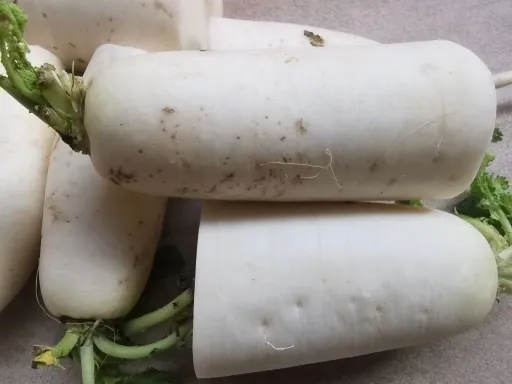
1. Stir-fried white radish - full of original flavor
(1) Specific operation steps
1. Prepare the ingredients: a white radish, wash and peel and cut into thin strips; two cloves of garlic, minced garlic; Salt, light soy sauce, cooking oil and chopped green onions.
2. Heat the pan with cold oil, add minced garlic and stir-fry until fragrant.
3. Add shredded daikon radish and stir-fry quickly and evenly to heat evenly.
4. Stir-fry until the shredded daikon is soft, add an appropriate amount of salt and light soy sauce to taste, and continue stir-frying for a while.
5. Finally, sprinkle with chopped green onions and serve.
(2) Notes
1. Shred evenly: This can ensure that the white radish is heated evenly and the ripeness is consistent during the stir-frying process, and avoid overcooking in some places.
2. Heat control: Stir-fry quickly over medium heat throughout the whole process to maintain the crispy and tender texture of the white radish. If the fire is too big, it is easy to burn; If the fire is too small and the stir-fry time is too long, it will cause the radish to produce too much water and lose its crispness.
3. Appropriate amount of seasoning: The amount of salt and light soy sauce should be moderate so as not to overshadow the sweetness of the daikon itself.
(3) Cooking principles are based on
stir-frying is a simple and classic cooking method that quickly locks in the moisture and nutrients of the white radish through rapid stir-fry at high temperatures, while stimulating its own aroma. Stir-frying minced garlic adds a rich garlic aroma to the dish and enhances the overall flavor level. The quick stir-fry cooks the shredded daikon in a short period of time, maintaining its crispy and tender taste, allowing people to feel the original flavor of the daikon when tasting.
> (4) Nutrition Argumentation
white radish is rich in nutrients such as vitamin C, vitamin B, and dietary fiber. The stir-frying method can retain these nutrients to the greatest extent, and vitamin C is relatively less lost when cooked at high temperatures and for a short time. Dietary fiber helps promote intestinal motility and improve digestive function. This light cooking method is suitable for people of all ages, especially for those who pursue a healthy diet, and is an option that can enjoy both deliciousness and nutrition. Moreover, the mustard oil in white radish will volatilize during the stir-frying process, which has the effect of promoting digestion and enhancing appetite.
When stir-frying white radish, you can also add some shredded carrots. Carrots are rich in nutrients such as carotene, and their color matches the white radish to make the dish more aesthetically pleasing. At the same time, the sweetness of carrots and the sweetness of white radish blend together to enrich the taste.
2. White radish pork rib soup - a fusion of nutrition and deliciousness
(1) Specific operation steps
1. Prepare the ingredients: a white radish, peel and cut into pieces; appropriate amount of ribs, wash and blanch for later use; Ginger slices, green onions, cooking wine, salt, pepper and water to taste.
2. Put the blanched pork ribs into the pot, add ginger slices, green onions and cooking wine, add an appropriate amount of water, bring to a boil over high heat, turn to low heat and simmer for about 30 minutes until the ribs are almost cooked.
3. Add the daikon cubes and continue to simmer for 15-20 minutes until the daikon becomes transparent and soft.
4. Add an appropriate amount of salt and pepper to taste according to personal taste, stir well, and turn off the heat.
(2) Notes
1. Blanching pork ribs: Blanching can remove blood and impurities from the ribs, making the soup clearer and reducing the fishy smell. When blanching, put it in a pot with cold water and heat it slowly to let the blood fully seep out.
2. Stewing time: Adjust the simmering time reasonably according to the size and tenderness of the ribs and daikon radish to ensure that both can achieve the best taste and doneness.
3. Seasoning timing: Salt and pepper should be added last, adding too early will make the meat old and affect the taste of the soup.
(3) Cooking principles are based on
stew is a gentle cooking method that allows the nutrients of the ingredients to be fully released into the soup through a long slow simmer. The protein, fat and other nutrients in the ribs gradually break down during the stewing process, blending with the sweet taste of the daikon radish to form a rich and delicious soup. The white radish absorbs the meaty aroma of the ribs and also adds a refreshing touch to the soup. Ginger slices and green onions remove fishy smell and enhance aroma, while cooking wine further removes odors and makes the soup taste more mellow.
(4) Nutrition Argumentation
ribs are a good source of high-quality protein and minerals such as calcium and phosphorus. During the stewing process, these nutrients are partially dissolved in the soup and are easily absorbed by the body. White radish paired with pork ribs not only increases the nutritional diversity of the dish, but also plays a complementary role. The dietary fiber in white radish can promote the absorption of protein and minerals in the intestines, while helping to reduce the absorption of fat in the ribs, making this soup more nutritious and healthy. In addition, the stewed daikon becomes soft and easy to digest, making it suitable for the elderly, children and people with weak digestive function.
in the white radish pork rib soup, you can also add some corn. Corn is rich in nutrients such as vitamin E and dietary fiber, and its sweet taste complements white radish and ribs. The addition of corn makes the soup sweeter, and also increases the intake of dietary fiber, which helps promote intestinal peristalsis.
3. Pickled daikon - the creation of a unique flavor
(1) Specific operation steps
1. Prepare the ingredients: a white radish, wash and cut into thin slices or small pieces; Salt, sugar, white vinegar, millet spicy, garlic slices, ginger slices and cold white to taste.
2. Put the white radish slices (pieces) into a container, add an appropriate amount of salt, stir well, and marinate for about 30 minutes to let the water come out.
3. Pour out the marinated water and rinse the daikon several times with water to remove excess salt.
4. Put sugar, white vinegar, millet spicy, garlic slices, and ginger slices into a bowl, add an appropriate amount of cold white water, stir well, and make a marinade.
5. Place the processed daikon into the marinade, make sure the daikon is completely submerged in the juice, seal the container, and place it in the refrigerator to marinate for a few hours or overnight before serving.
(2) Notes
1. Amount of salt: The amount of salt should be moderate when pickling, too much will make the white radish too salty, and too little will not achieve the effect of water and preliminary seasoning.
2. Clean salt: After pickling in water, be sure to rinse the daikon with water to remove excess salt, otherwise it will affect the subsequent taste.
3. Container hygiene: Use clean, water-free, and oil-free containers for pickling to prevent bacterial growth, which can affect the quality and storage time of pickled daikon radish.
(3) Cooking principles are based on
pickling is the use of salt, sugar, vinegar and other seasonings to change the taste and flavor of white radish. Salting dehydrates the daikon and changes the cell structure, making it easier to absorb the flavors from the marinade. White sugar and white vinegar provide a sweet and sour taste, while millet spicy, garlic and ginger slices add spiciness and aroma, giving the pickled daikon a unique flavor. Refrigerated pickling allows the daikon to slowly absorb the flavor at low temperatures while maintaining its crisp texture.
(4) Nutrition Argumentation
pickled daikon may lose some nutrients during the pickling process, it still retains certain vitamins and dietary fiber. Moreover, beneficial bacteria such as lactic acid bacteria produced during the pickling process are beneficial for intestinal health. Moderate consumption of pickled daikon can increase appetite and promote digestion. However, since more salt and sugar are usually added during the pickling process, it should be eaten in moderation, especially for patients with high blood pressure and diabetes.
when pickling daikon radish, you can add some celery segments. Celery is rich in nutrients such as dietary fiber, vitamin C and potassium, and its unique aroma can add a different flavor to pickled white radish. The crunchy texture of celery complements the crispness of white radish, making the whole pickled dish richer and more diverse.
4. The nutritional value of white radish
daikon is believed to have multiple roles in traditional medicine.
(1). Digestion and accumulation: White radish is rich in amylase and mustard oil, which can promote gastrointestinal peristalsis, help digest food, and relieve indigestion symptoms such as bloating and food accumulation. For people who often eat irregularly or have weak gastrointestinal function, moderate consumption of daikon can help improve digestive function.
(2). Moistening the lungs and relieving cough: It has a certain lung-moistening effect and has a certain relieving effect on cough. In dry seasons or when coughing due to respiratory infections, consuming daikon can moisturize the lungs and relieve coughing. White radish can be boiled in water to help relieve cough symptoms.
(3). Diuresis and laxative: The dietary fiber in white radish can increase stool volume, promote intestinal peristalsis, and prevent constipation. At the same time, it also has a certain diuretic effect, helping to remove excess water and waste from the body, which is beneficial for edema and urinary health.
(4). Enhance immunity: It is rich in vitamin C, vitamin B and other vitamins and minerals, which help enhance the body's immunity, improve the body's resistance, and prevent the occurrence of diseases.
5. The benefits of eating white radish
(1). People with indigestion: As mentioned above, white radish can help digestion and is a good ingredient for people who often feel bloated, lose appetite, and have indigestion. Digestion can be improved by eating dishes such as stir-fried white radish and white radish pork rib soup.
(2). People with respiratory problems: When coughing, dry throat, or suffering from mild respiratory infections, eating white radish can moisten the lungs and relieve cough. You can try drinking daikon honey water (squeezing the juice of the daikon radish and adding an appropriate amount of honey) to relieve symptoms.
(3). People with constipation: The dietary fiber in white radish helps promote intestinal motility, prevent and relieve constipation. This group of people can eat more white radish, such as cutting white radish into shreds and eating it cold to increase dietary fiber intake.
(4). Those who pursue a healthy diet: White radish is a low-calorie, high-nutrient vegetable rich in a variety of vitamins and minerals, suitable for people who pursue a healthy diet and control their weight. Whether stir-fried or used as an ingredient in soups, it can add rich nutrients to your diet.
6. Pay attention to eating white radish
(1). People with spleen and stomach deficiency and cold: White radish is cold, and eating too much of it may aggravate the symptoms of spleen and stomach deficiency, causing abdominal pain, diarrhea and other discomforts. This group of people should eat it in moderation, or cook the daikon radish to reduce its coolness.
(2). Patients with gastric ulcers: The dietary fiber in white radish may irritate the gastric mucosa, which may aggravate the condition for patients with gastric ulcers. Therefore, people with stomach ulcers should be cautious when consuming white radish, preferably on the advice of a doctor.
(3). People taking traditional Chinese medicine: Some traditional Chinese medicines may interact with the ingredients of white radish, affecting the efficacy of the medicine. For example, ginseng and other nourishing Chinese medicines should not be eaten at the same time as white radish, because white radish has the effect of reducing qi and may reduce the nourishing effect of ginseng. While taking traditional Chinese medicine, you should consult your doctor about whether you can consume white radish.
epilogue
To sum up, white radish has its own unique deliciousness and culinary charm, whether it is stir-fried, stewed or pickled. Through different cooking methods and reasonable operating steps, we can give full play to the nutritional value and medicinal value of white radish and add a variety of food options to the table. While enjoying delicious food, you can also consume rich nutrients to meet the health needs of the body. But we must also choose the way and amount of white radish to eat according to our own physical condition. So, the next time you face white radish, you might as well try different methods according to your tastes and needs to explore your own delicious journey of white radish.
標籤: White radish nutrition edible pickling how to make white radish delicious
上一篇
2核4G,Apache的Timeout 請求超時時間 設置多少合適
下一篇在 Apache 服務器中,如何設置 MaxKeepAliveRequests 和 MaxRequestWorkers?
相關文章
- 詳細閱讀
-
White radish: how to make it delicious, cooking skills and nutritional analysis詳細閱讀

white radish, a common and simple vegetable, has a variety of presentations...
2024-09-26 7.3K+ White radish nutrition edible pickling how to make white radish delicious
-
Deer antler mushroom: home-cooked practice and edible benefits and precautions詳細閱讀
In the colorful world of ingredients, velvet antler mushrooms stand out wit...
2024-09-24 5.7K+ 鹿茸菇 nutrition 烹飪 鹿茸菇的做法大全家常
-
pomelo: What season is it in season, the benefits and precautions of consumption詳細閱讀

in the world of fruits, pomelo is a much-loved fruit. So in what season is...
2024-09-23 5.3K+ 柚子 edible 柚子什麽季節吃是應季
- 詳細閱讀
- 詳細閱讀
- 詳細閱讀
- 詳細閱讀